History of Animation
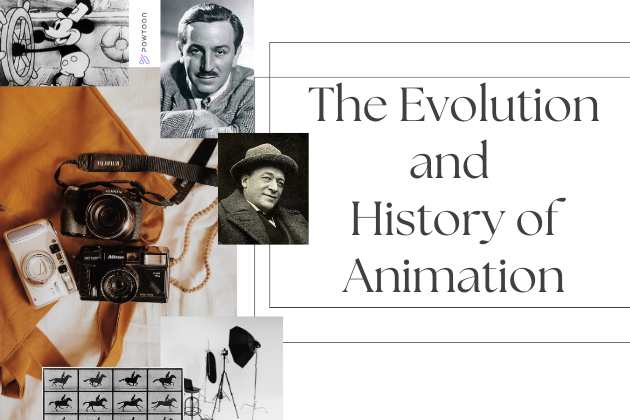
In between 1895 and 1920 many animation techniques were created, like stop-motion with objects, puppets, clay or cutouts, and drawn or painted animations.
The job of an animator has evolved from hand-drawing thousands of frames using traditional cel techniques to digital 3D modeling and AI-assisted workflows.
By the 1800s, innovators began experimenting with new strategies, with inventions such as the phenakistoscope and the zoetrope, which used vertical cuts within a cylindrical drum to reveal images in various stages of motion. This formed the basis for a popular toy produced by Milton Bradley in the 1860s.
Animation as we know it today took a leap forward with the development of celluloid film during the late 1800s. Allowing animators to create characters separate from their backgrounds, celluloid streamlined the animation process, limiting the need for time-consuming redrawing.
In 2026, the animation industry is undergoing lots of transformations, characterized by the integration of AI as a standard “co-pilot,” a surge in stylized 2D and hybrid 3D/2D animation, and a return to “handcrafted” imperfections to change from AI-generated content.